
Brown rice koji is made by cultivating koji mold on steamed brown rice.
In this process, each step has its own traditional Japanese name, such as kirikaeshi, mori-komi, naka-shigoto, and shimai-shigoto.
These names reflect the careful hands-on adjustments that guide the growth of koji mold.
On this page, we will walk you through each step of making brown rice koji over three days.
Day 1: Preparing the Rice
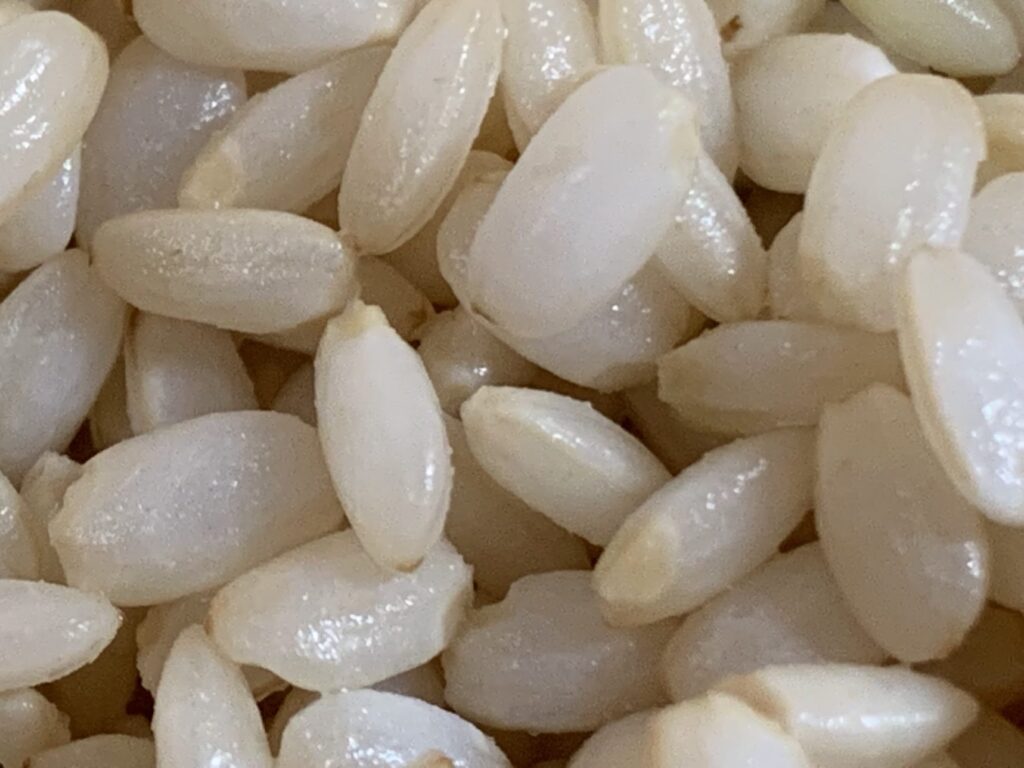
First, the brown rice is lightly polished to help it absorb water more easily.
It is then carefully washed and soaked thoroughly.
The rice is left to soak overnight so that moisture reaches the center of each grain.
This step prepares the rice for proper steaming and koji cultivation.
Day 2: Starting Koji Cultivation
Steaming
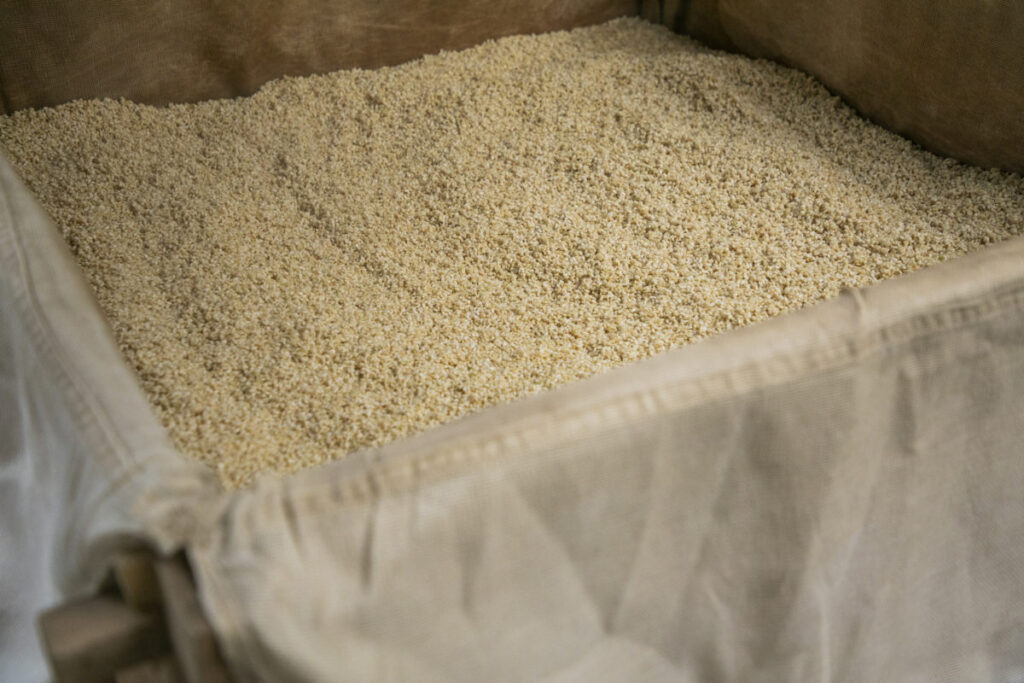
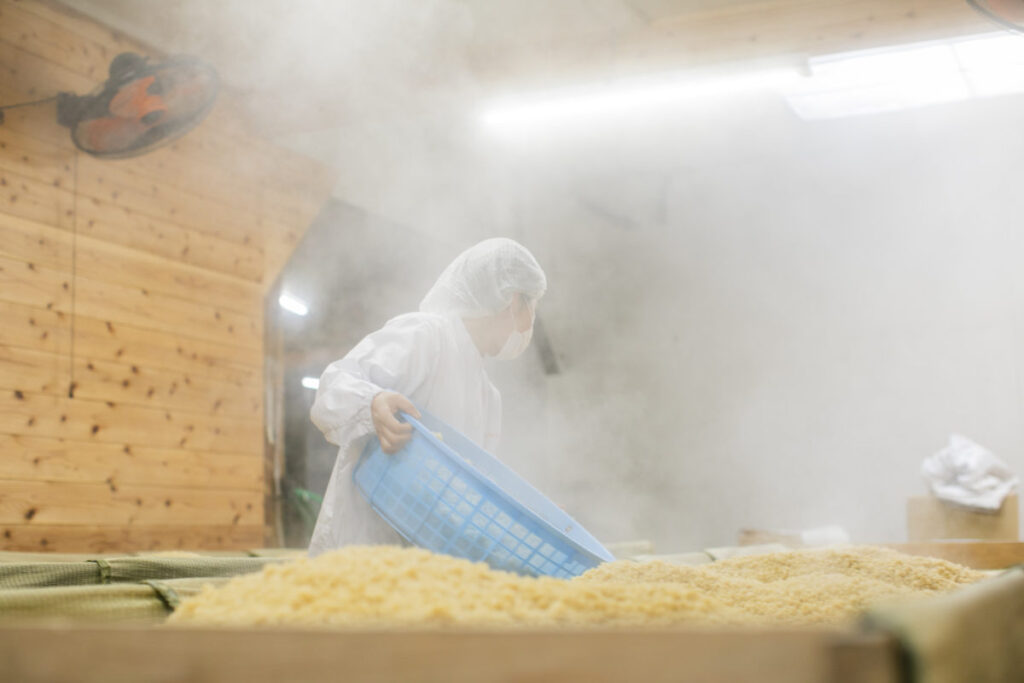
The soaked rice is steamed to create the ideal environment for koji mold to grow.
Tokomomi (Inoculation and Mixing)
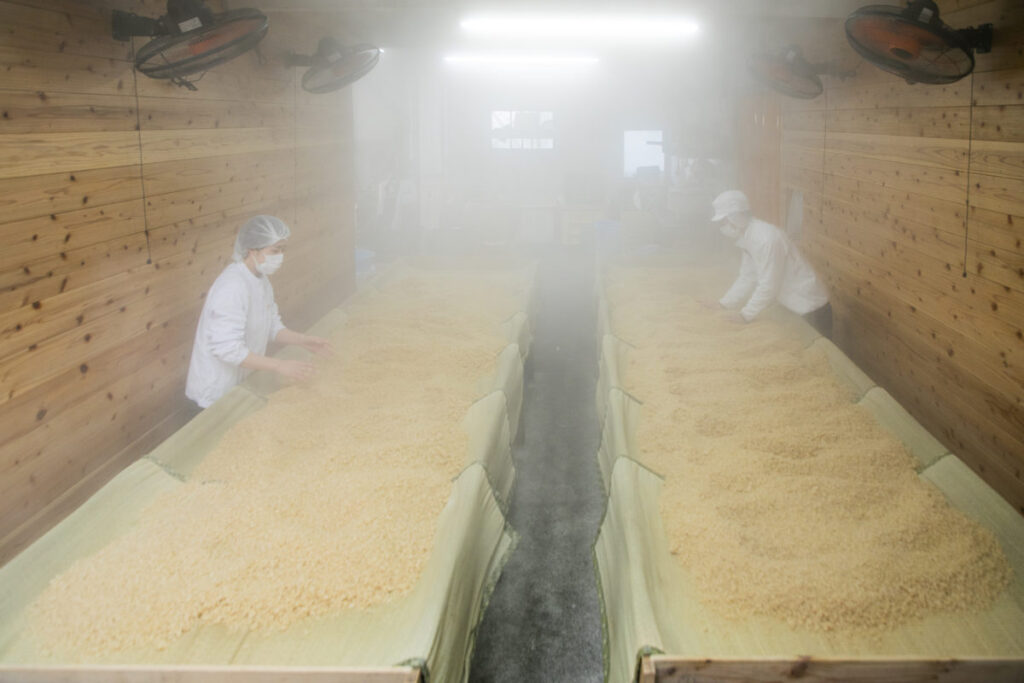
The steamed rice is cooled, then sprinkled with koji spores and mixed thoroughly.
This step ensures that the mold is evenly distributed.
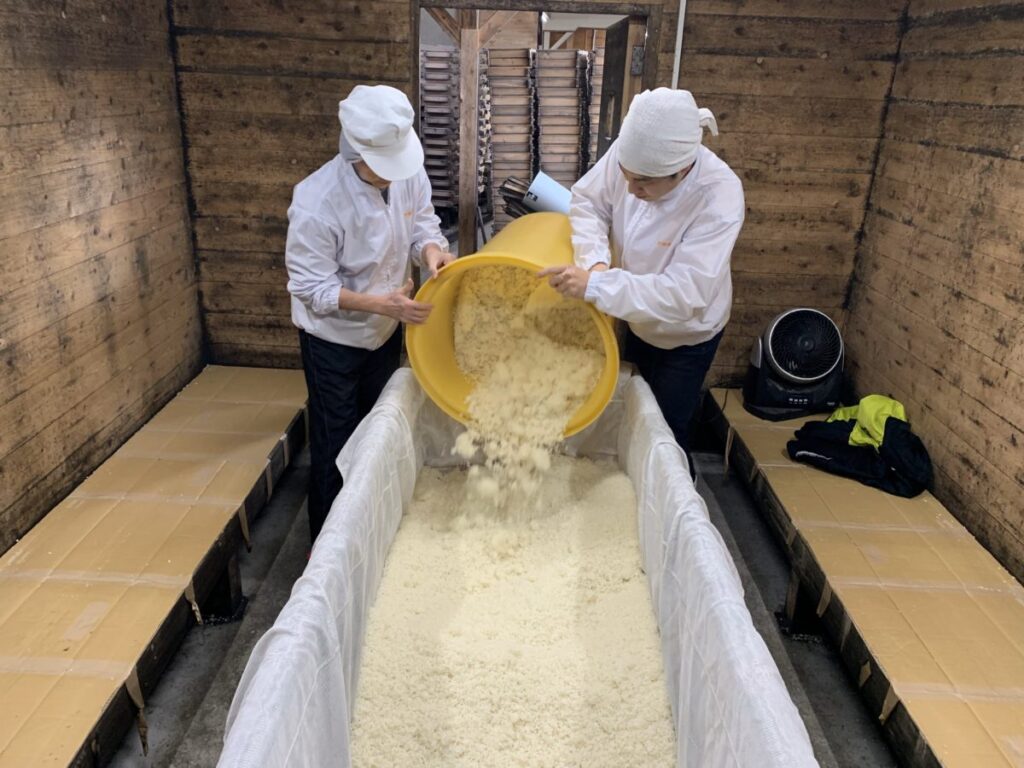
Moving into the Koji Room
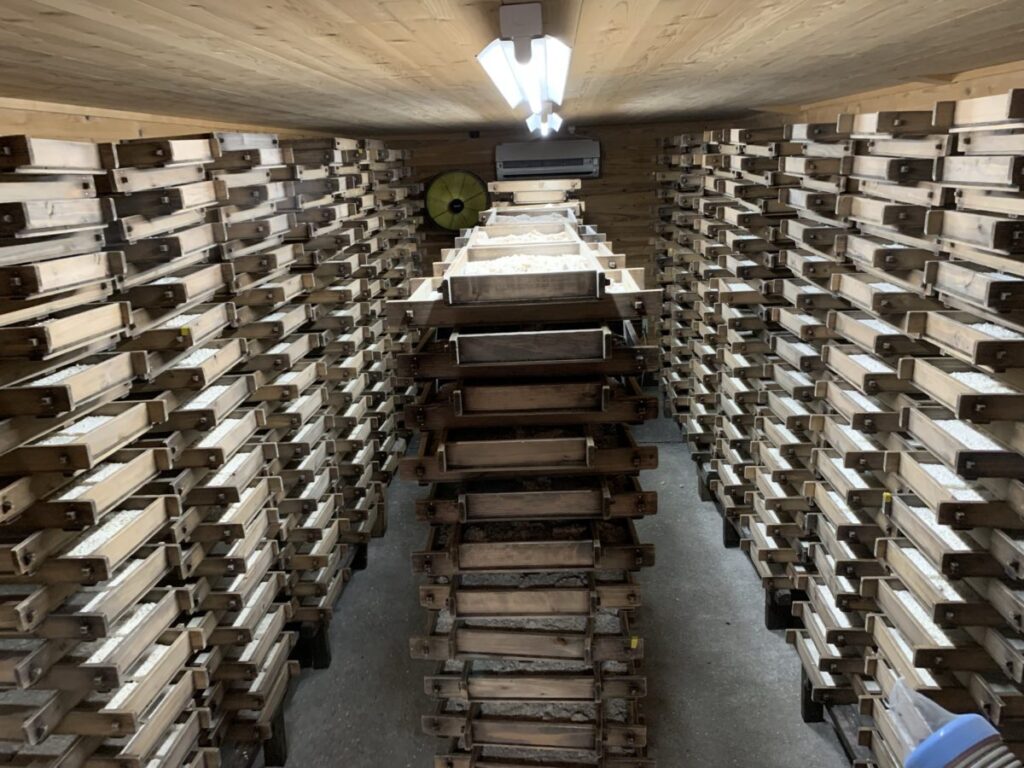
The inoculated rice is transferred into the koji room, where temperature and humidity are carefully controlled.
This environment allows the mold to grow steadily.
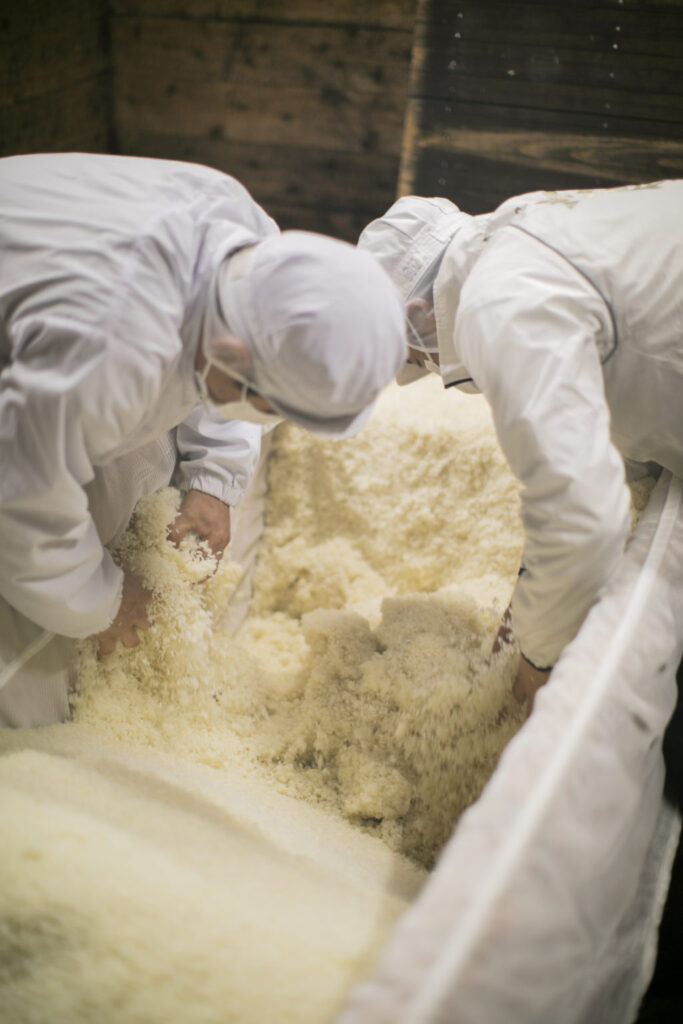
Kirikaeshi (Turning the Koji)
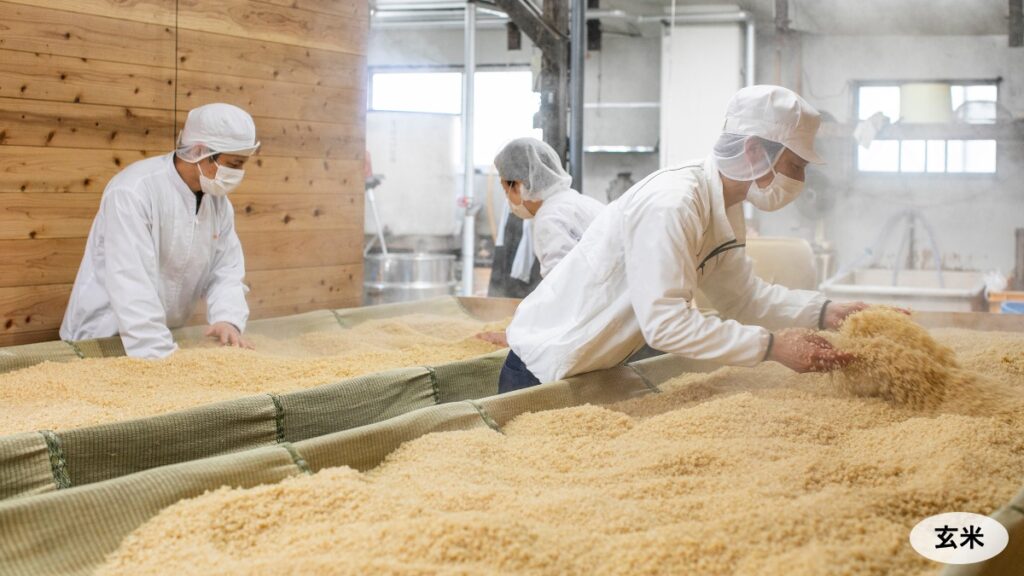
Partway through the process, the rice is loosened and mixed.
This step, called kirikaeshi, allows oxygen to circulate and helps the mold grow evenly.
Day 3: Shaping and Finishing
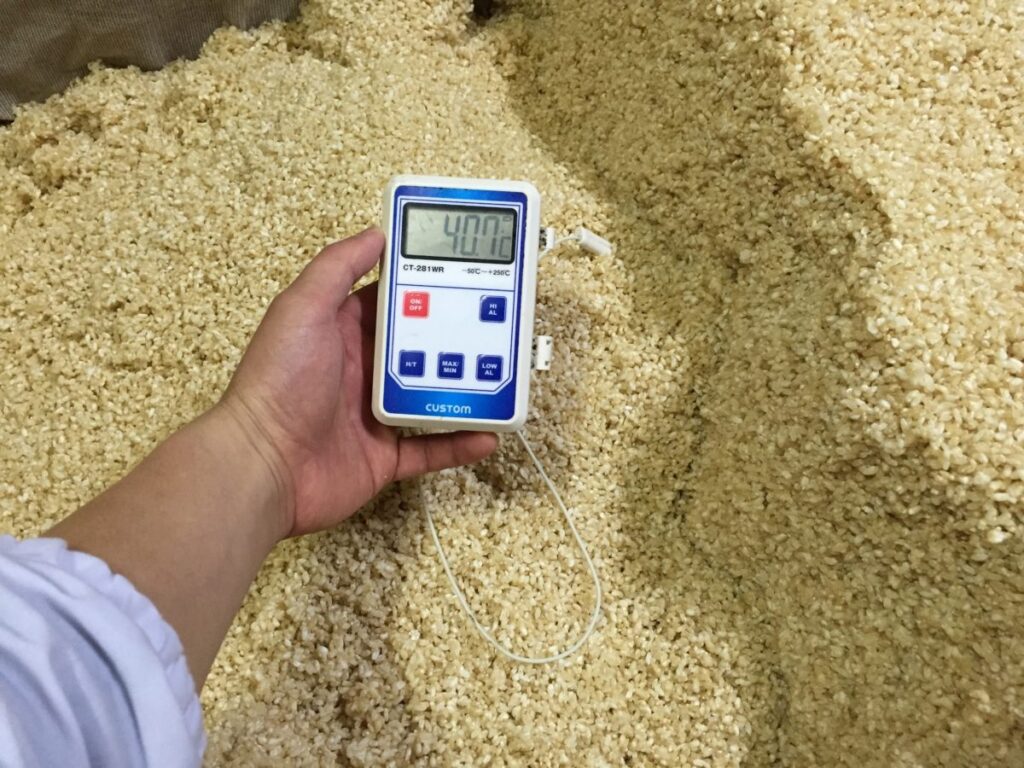
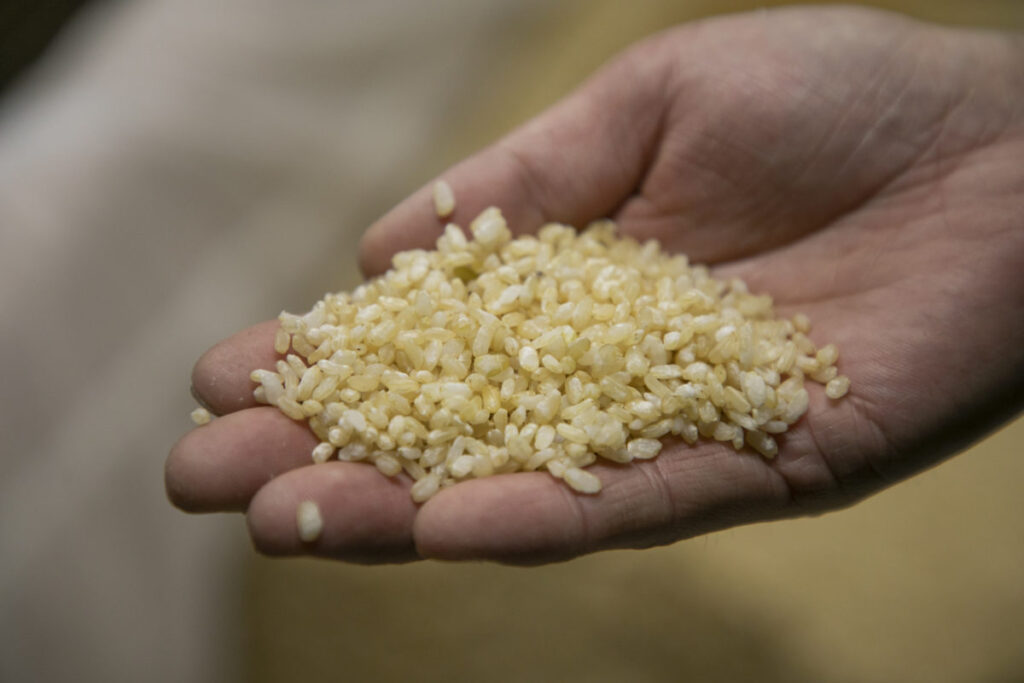
Second Kirikaeshi
The rice is mixed again the next morning.
At this stage, white koji mold begins to appear.
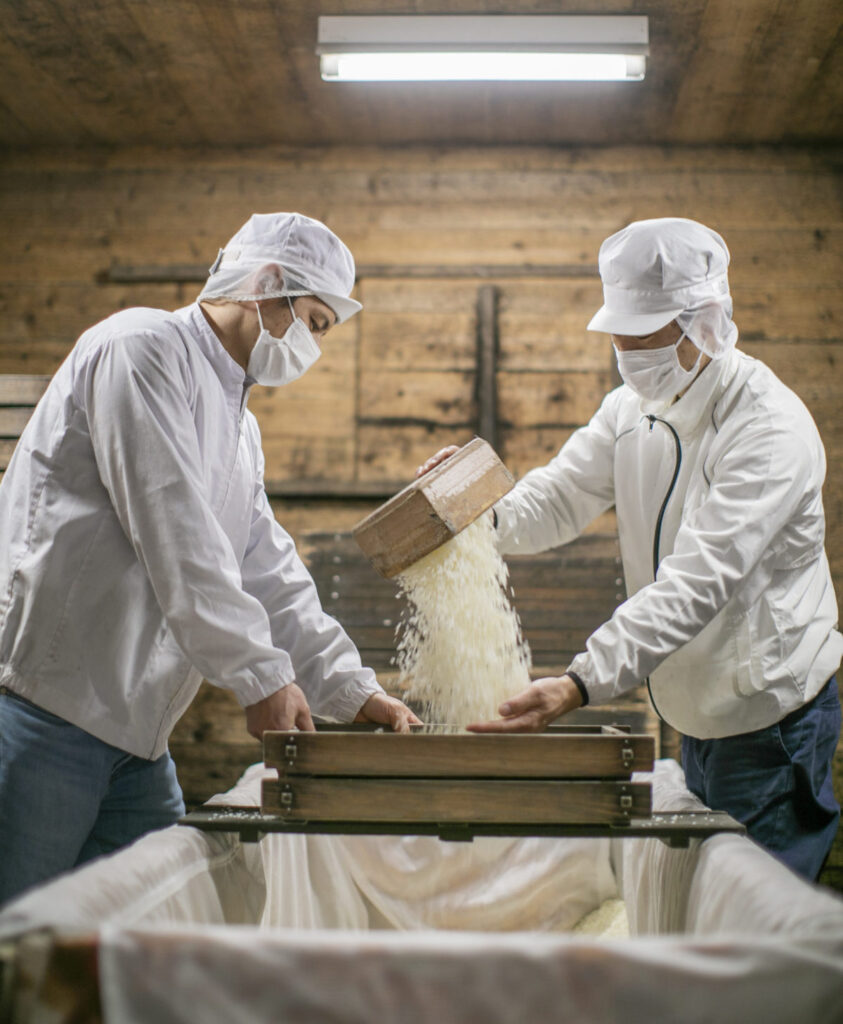
Mori-komi (Filling into Trays)
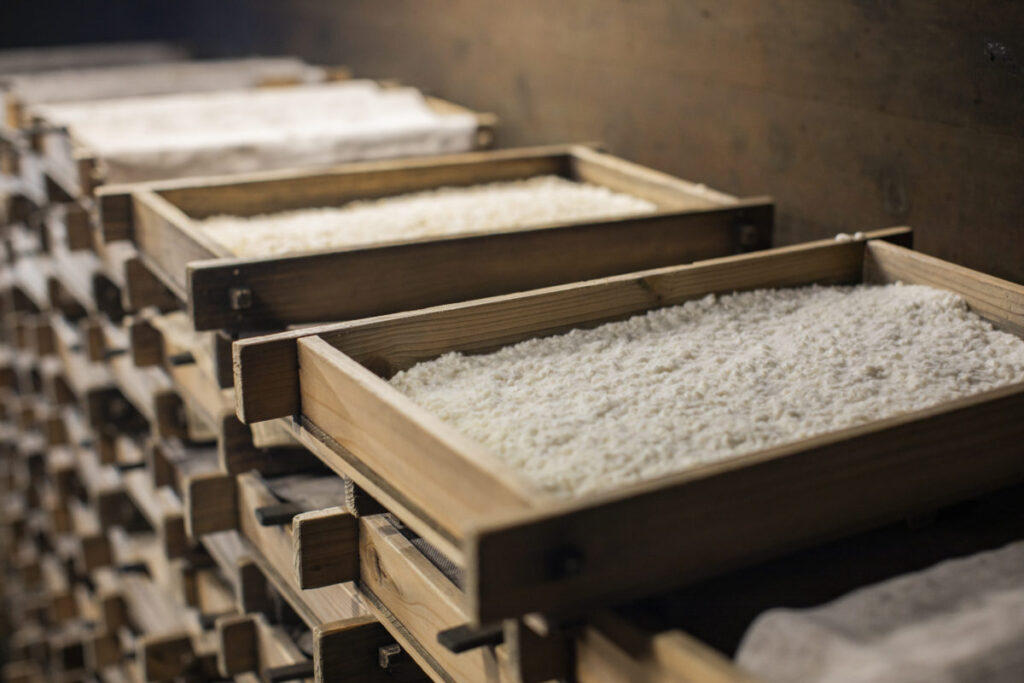
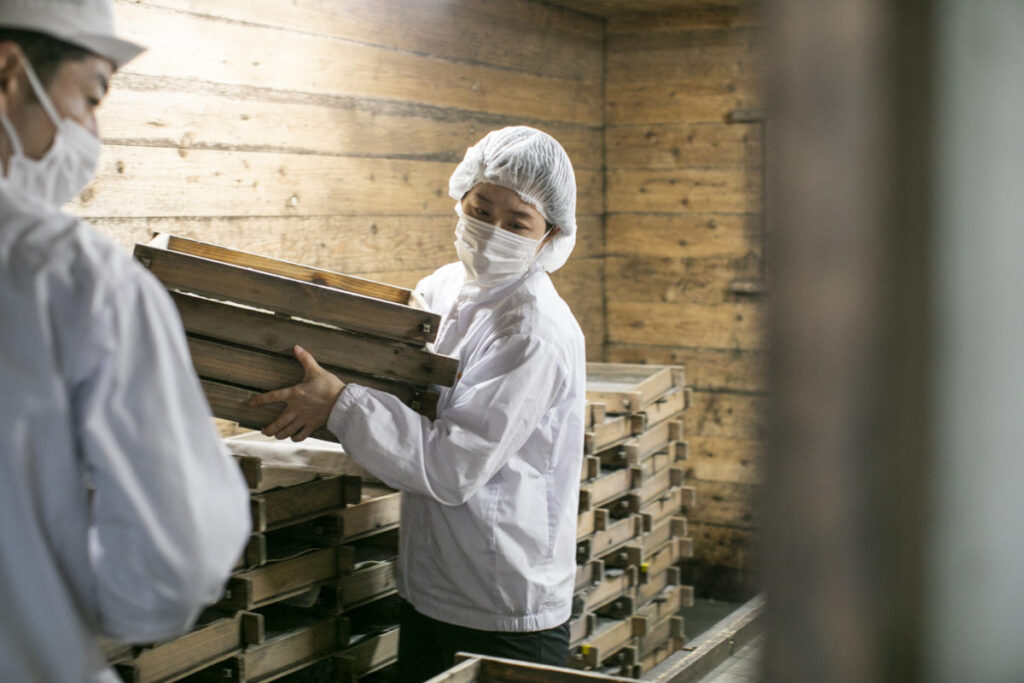
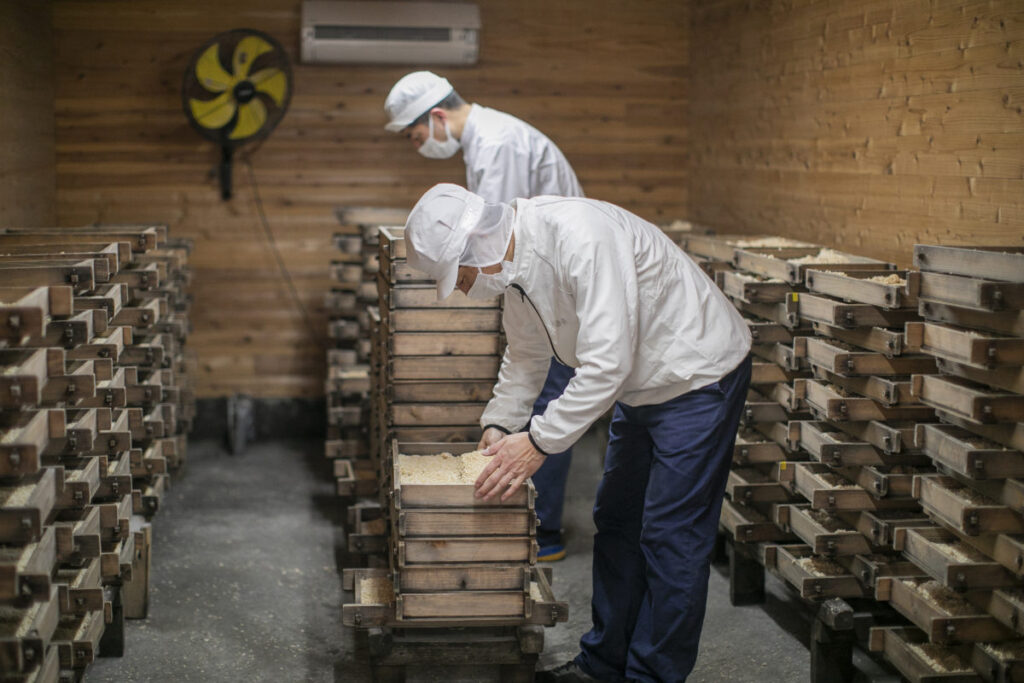
The rice is divided into wooden trays called morobuta.
This step, known as mori-komi, allows more precise temperature control and promotes further growth.
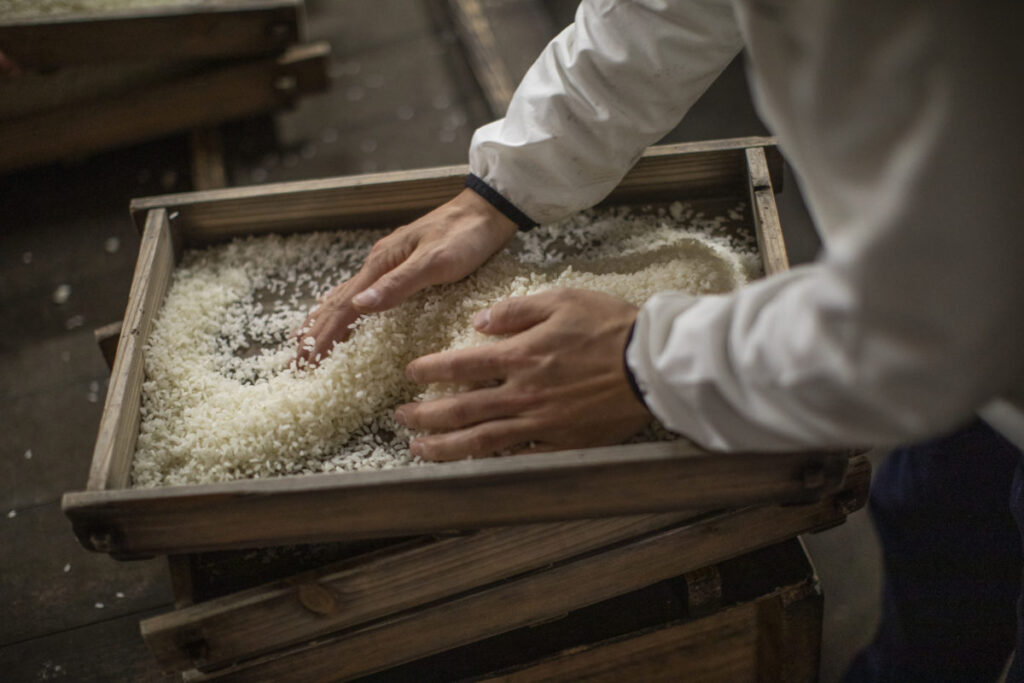
Naka-shigoto (Mid-Process Adjustment)
The koji is loosened again to even out the temperature.
The shape and arrangement are adjusted depending on the season to control heat.
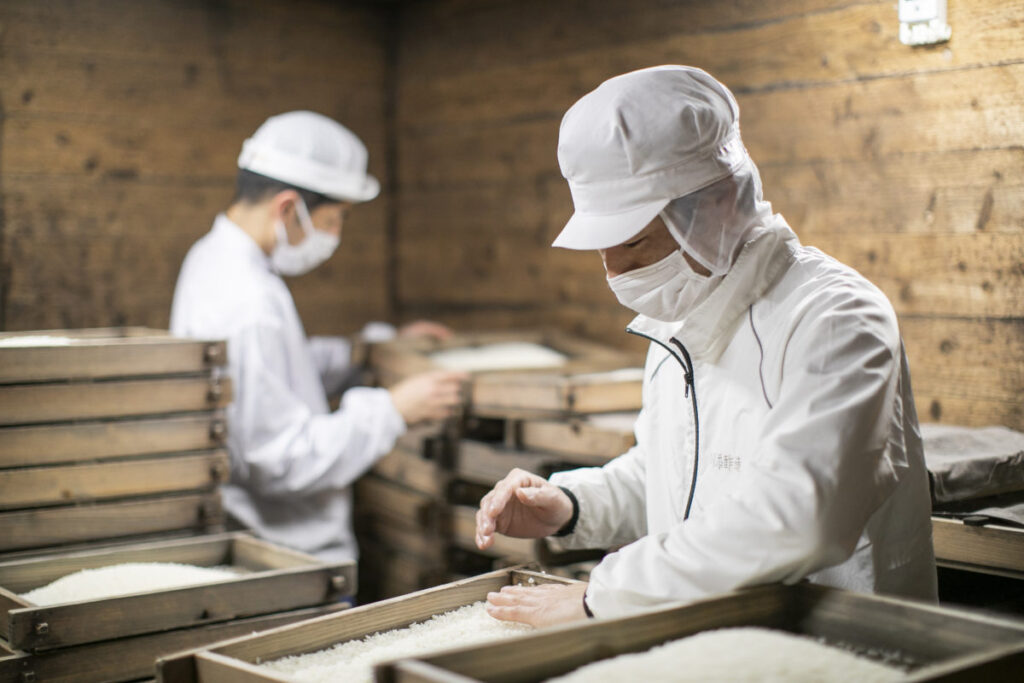
Shimai-shigoto (Final Adjustment)
The koji is spread flat and covered with a damp cloth.
This step stabilizes temperature and humidity using traditional methods.
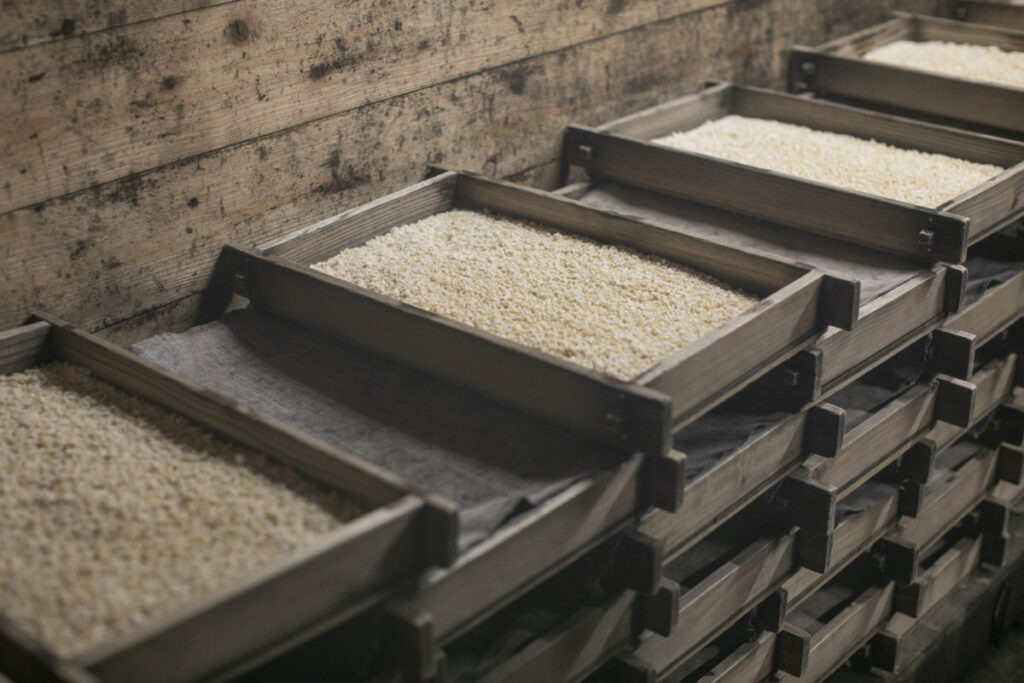
De-koji (Completion)
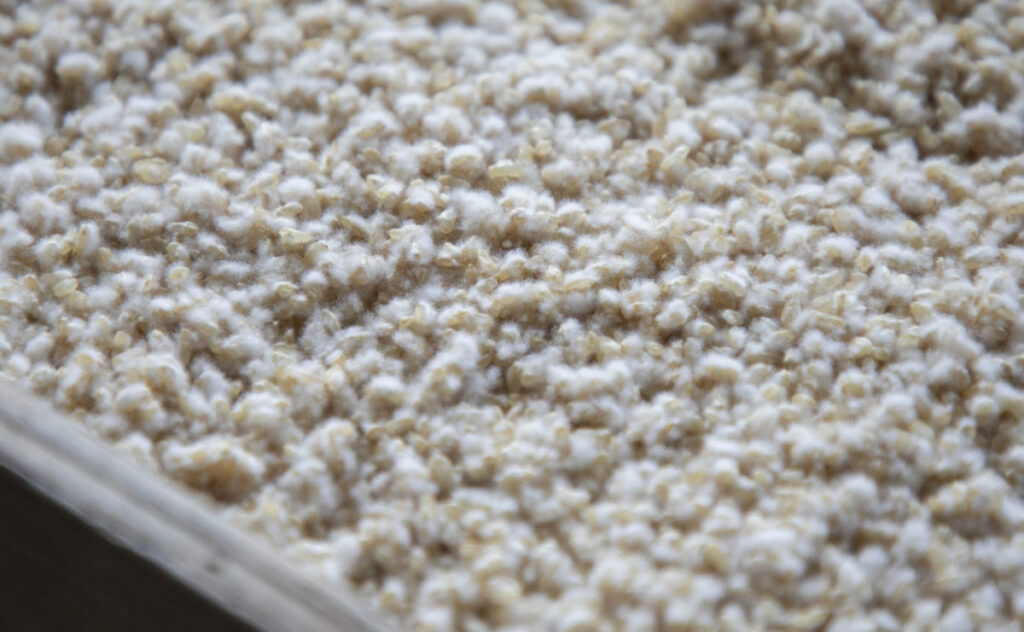
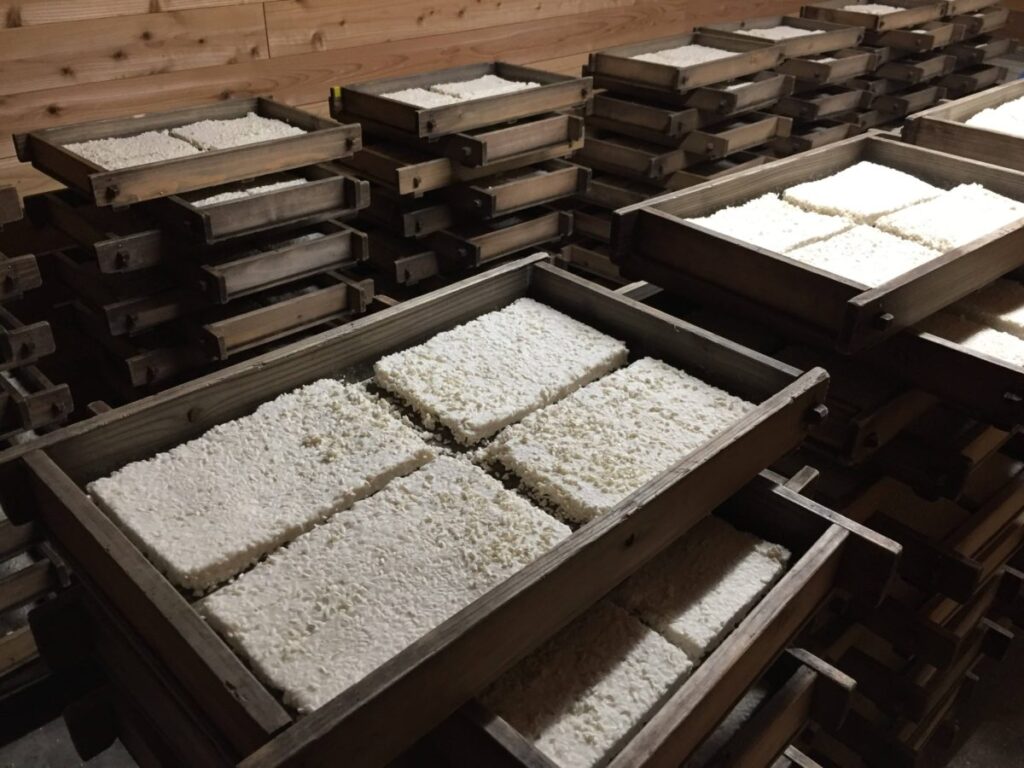
Once the mold has fully developed, the brown rice koji is complete.
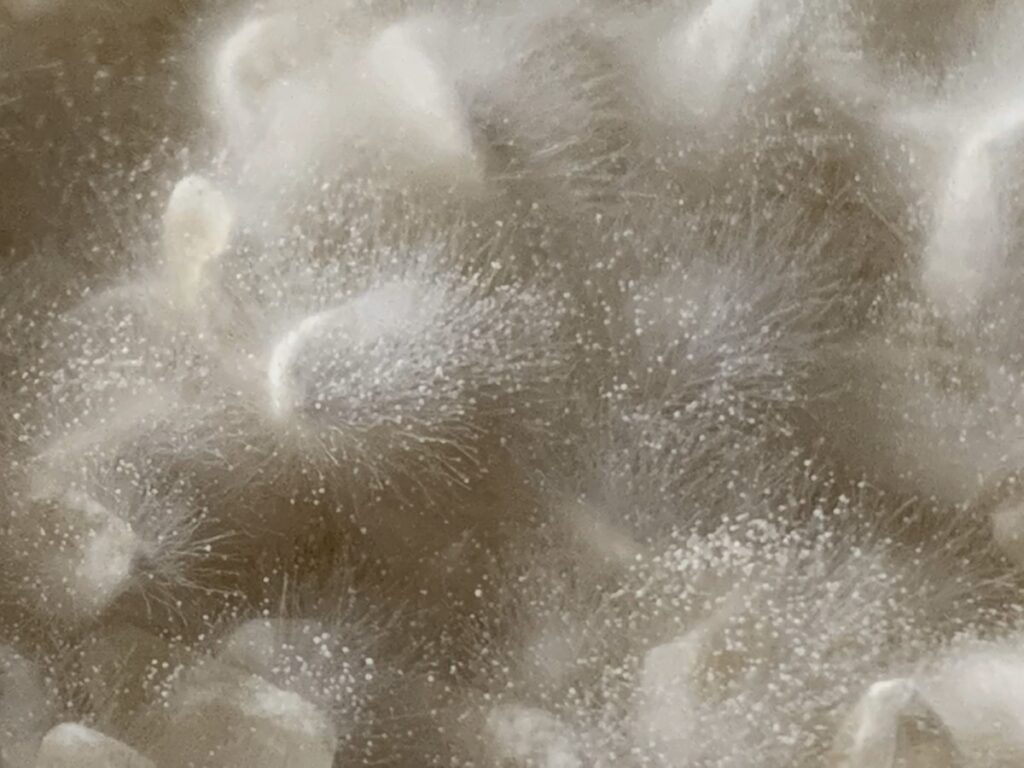
White mycelium covers the surface, and the grains bind together.
Drying
The finished koji is dried at a low temperature.
This improves shelf stability while maintaining quality.
Our Philosophy
Working with koji means working with living microorganisms.
By sensing subtle changes and making small adjustments, we guide the process toward the ideal condition.
These accumulated decisions shape the quality of fermentation.
Summary
Brown rice koji is made over approximately three days.
While the process appears simple, experience and observation are essential.
This koji forms the foundation of fermented foods such as vinegar and miso.

