
Vinegar is a fermented food.
First, alcohol is produced from raw ingredients. Then, acetic acid bacteria convert that alcohol into vinegar.
On this page, we will walk you through the entire vinegar-making process step by step.
Step 1: Preparing the Ingredients
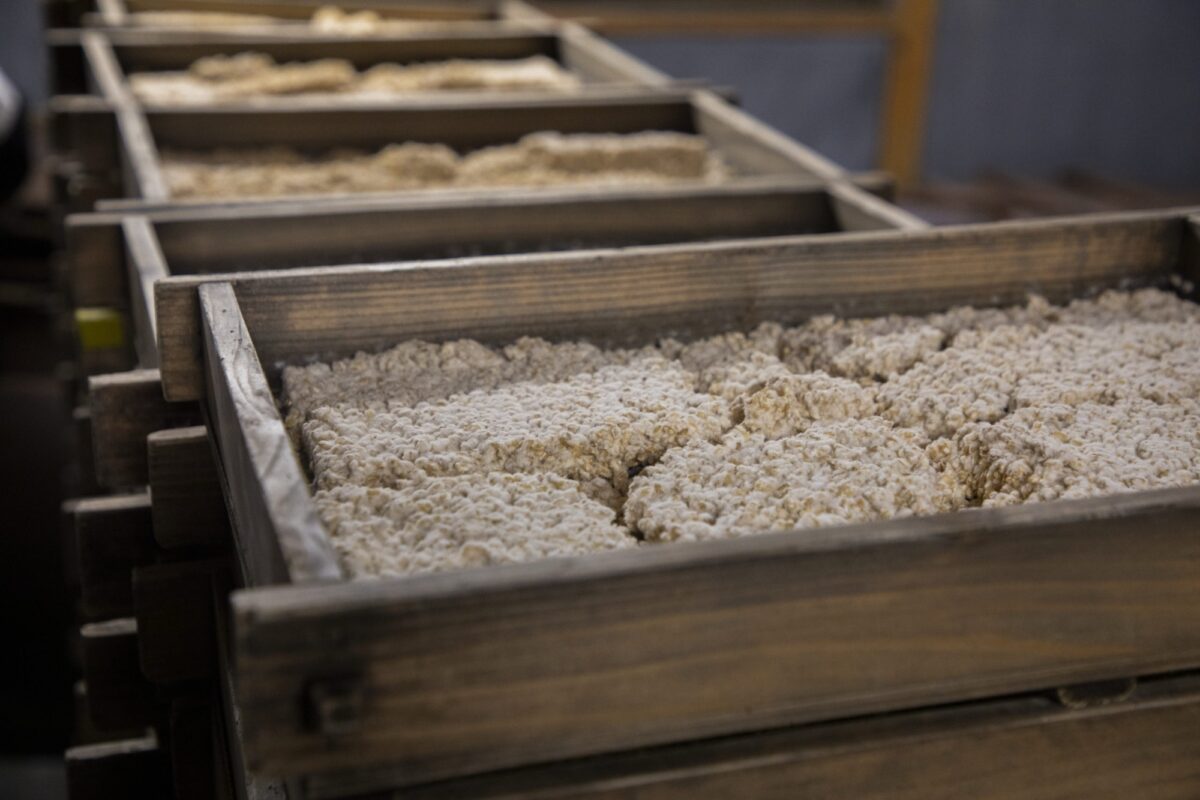
First, the raw ingredients are prepared.
Common ingredients include rice, barley, and fruits.
The choice of ingredients greatly affects the flavor and aroma of the vinegar.
The type of vinegar varies depending on the ingredients used.
Types of Vinegar
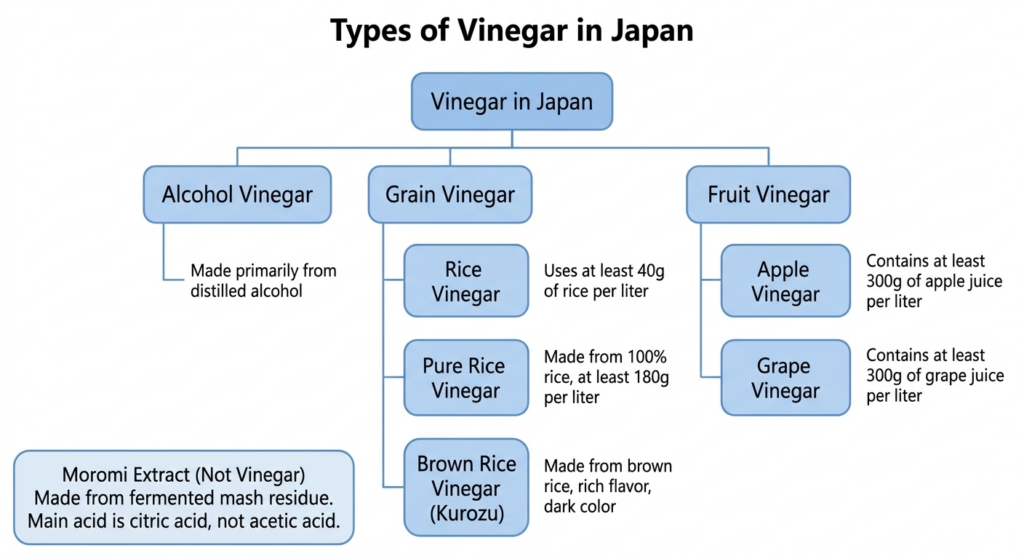
Vinegar can be classified based on the ingredients used and how it is produced.
In Japan, vinegar is broadly divided into grain-based vinegar and fruit-based vinegar.
For example, rice vinegar and pure rice vinegar are made from rice and tend to have a mild, rounded flavor.
Brown rice black vinegar develops a deeper color and richer taste through fermentation and aging.
Fruit vinegars, such as apple and grape vinegar, are characterized by their bright acidity and fruity aroma.
There are also products like moromi vinegar, which is made from fermentation mash.
Although it is called vinegar, it does not undergo acetic acid fermentation and has different properties.
In this way, the choice of ingredients directly shapes the character of the vinegar.
In this example, we use brown rice koji and steamed brown rice to produce alcohol.
Step 2: Saccharification & Alcohol Fermentation
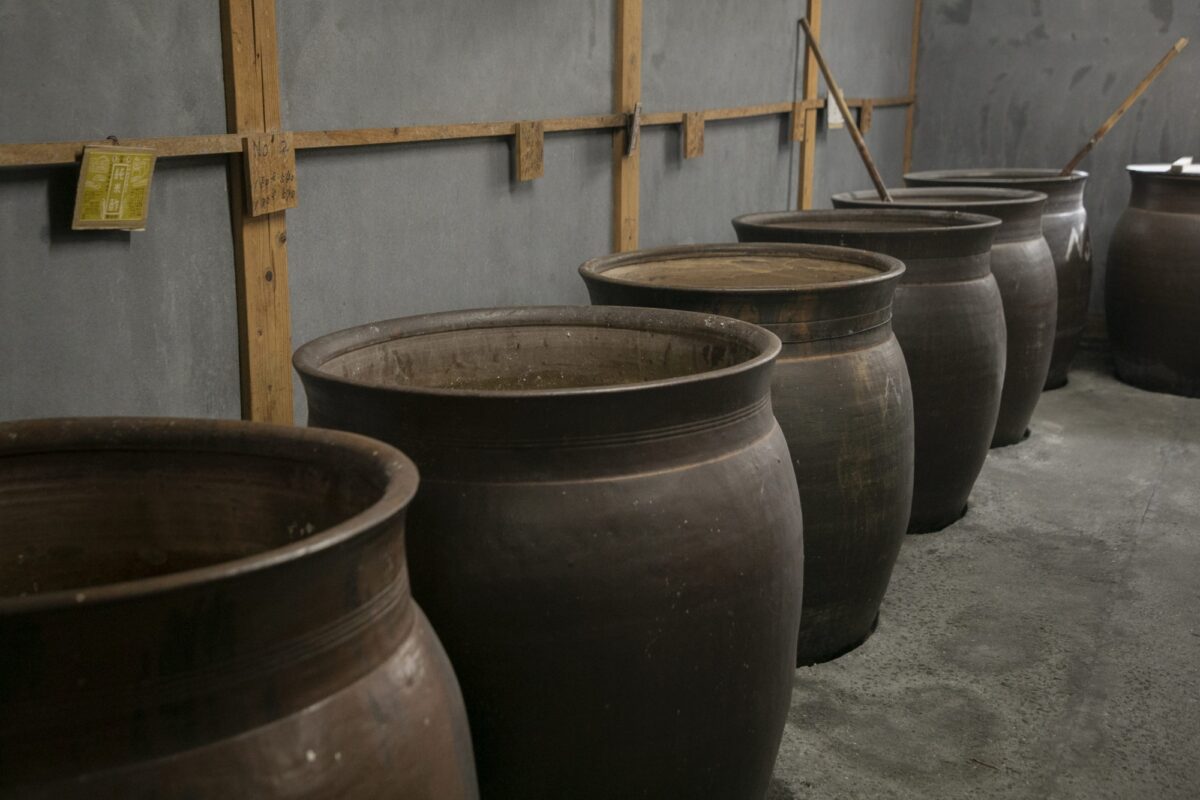
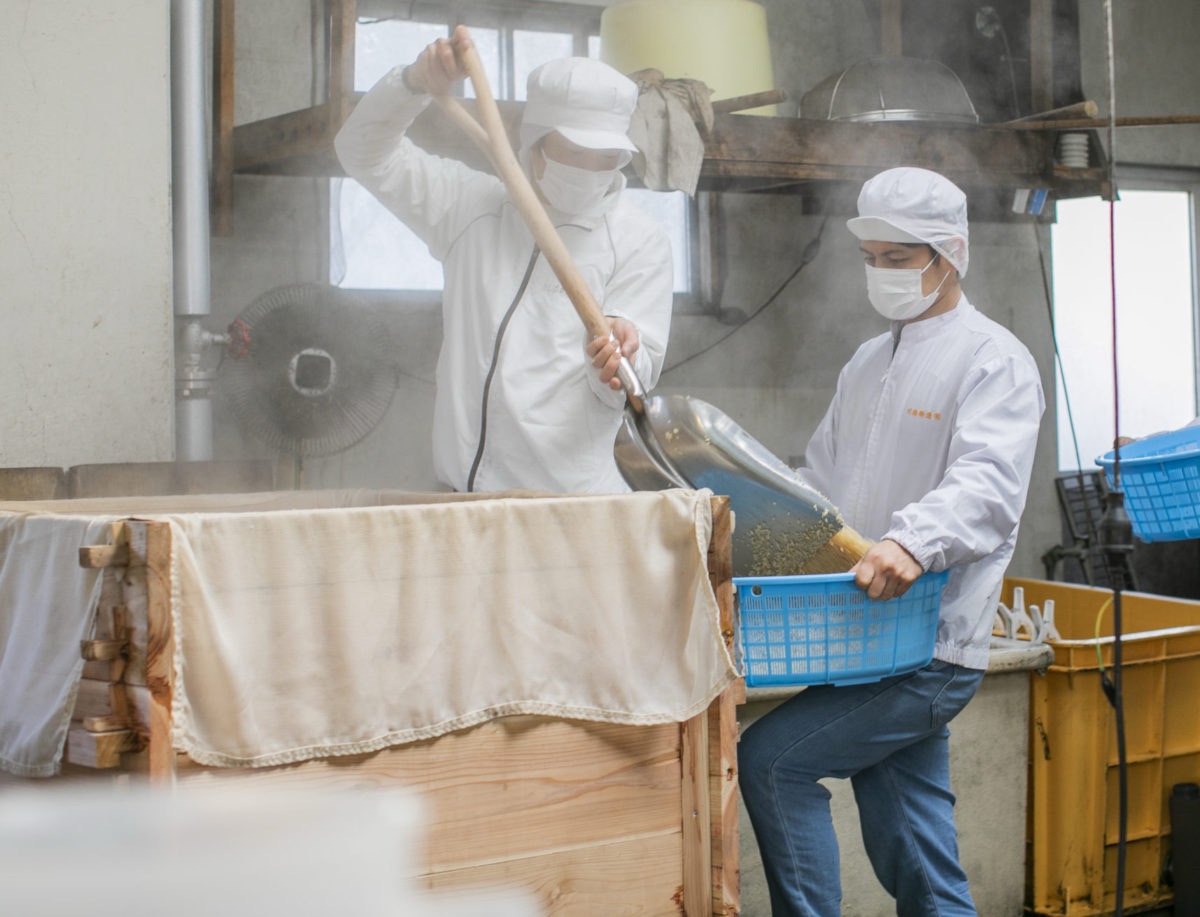
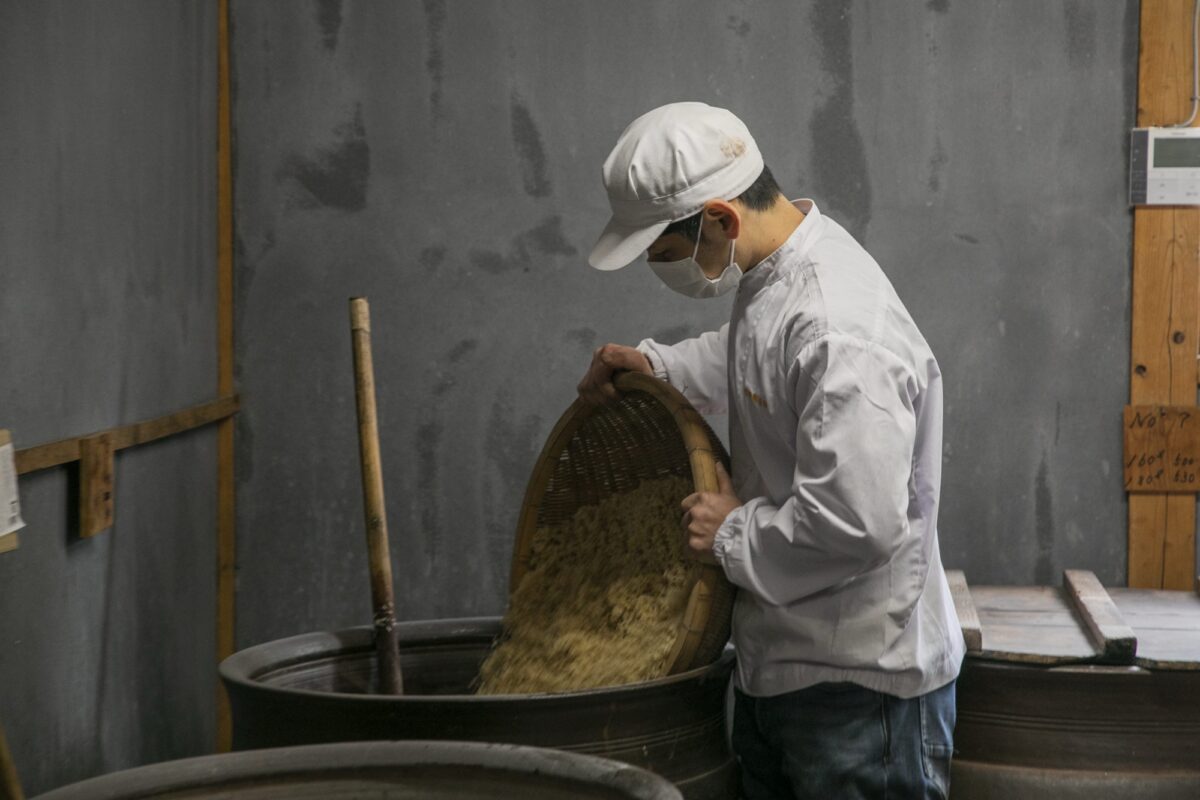
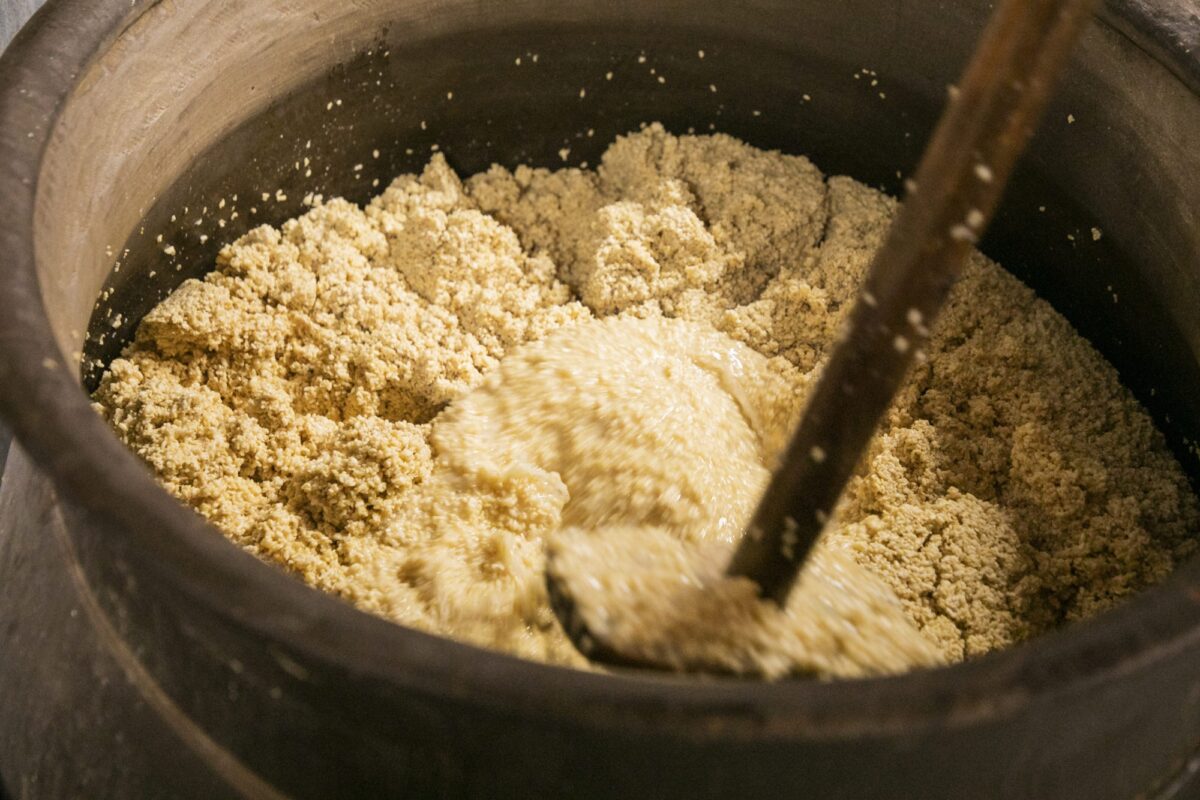
Next, the ingredients are fermented to produce alcohol.
Koji (麹) and yeast work together to convert starch into sugars, and then those sugars into alcohol.
This process is called alcohol fermentation.
Step 3: Acetic Acid Fermentation
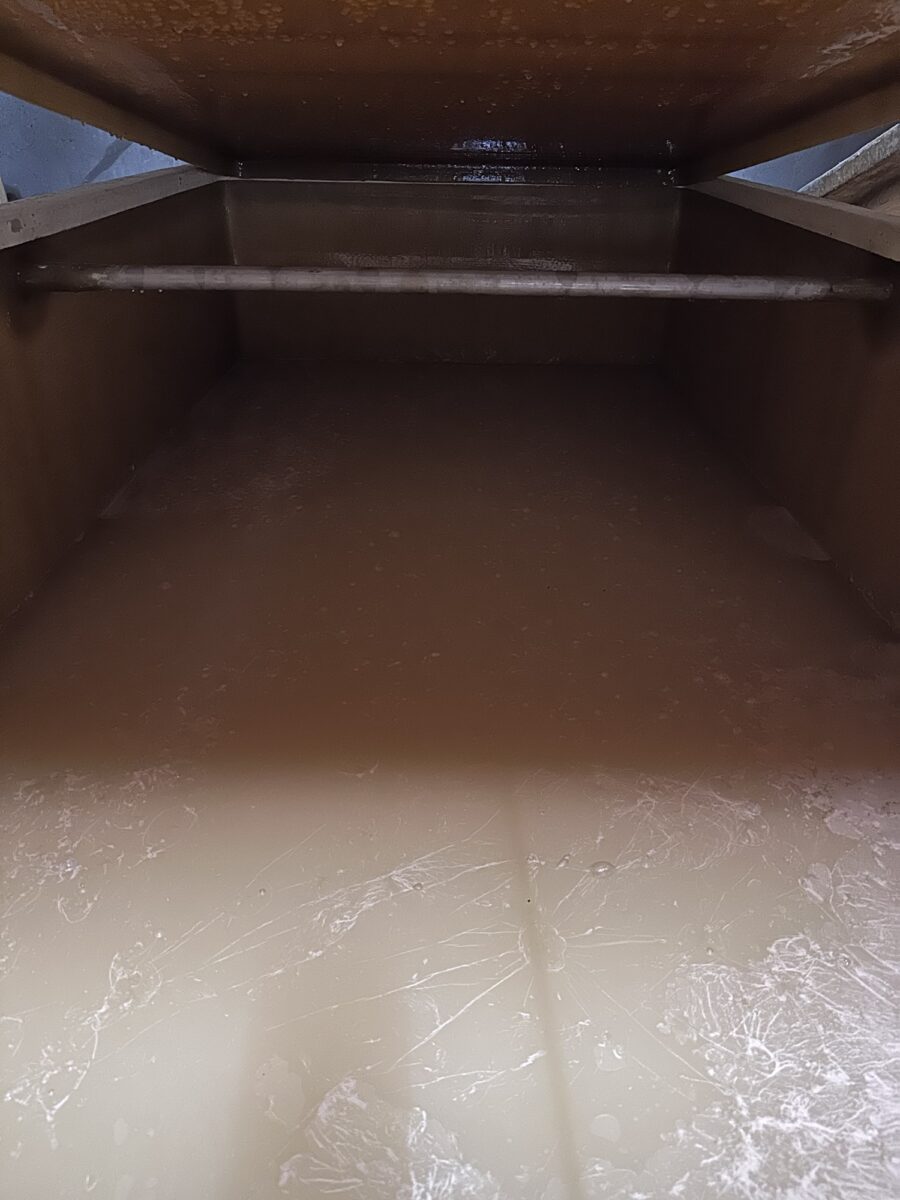
The produced alcohol is then inoculated with acetic acid bacteria.
These bacteria convert alcohol into acetic acid (vinegar) in the presence of oxygen.
This process is known as acetic acid fermentation.
Step 4: Aging
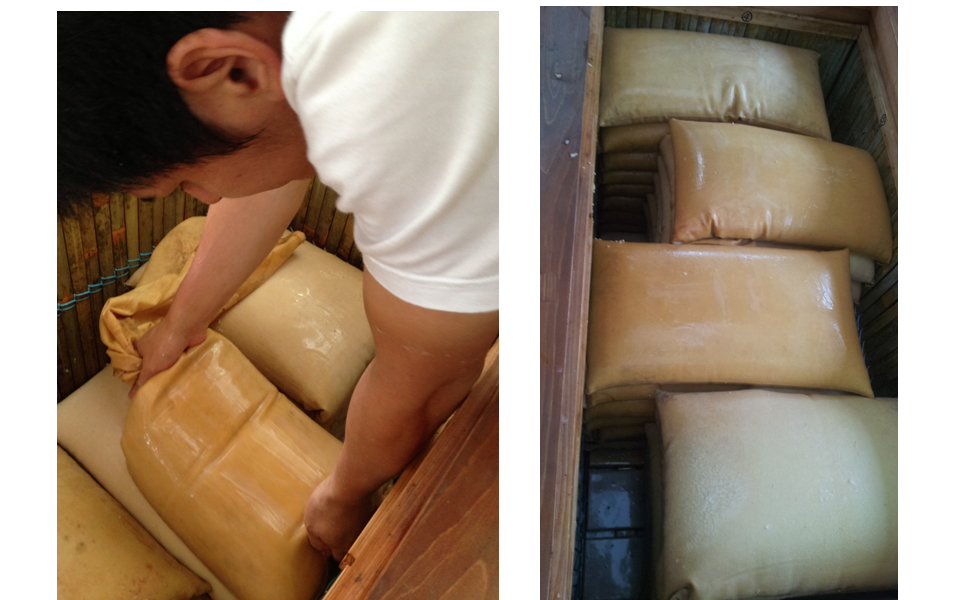
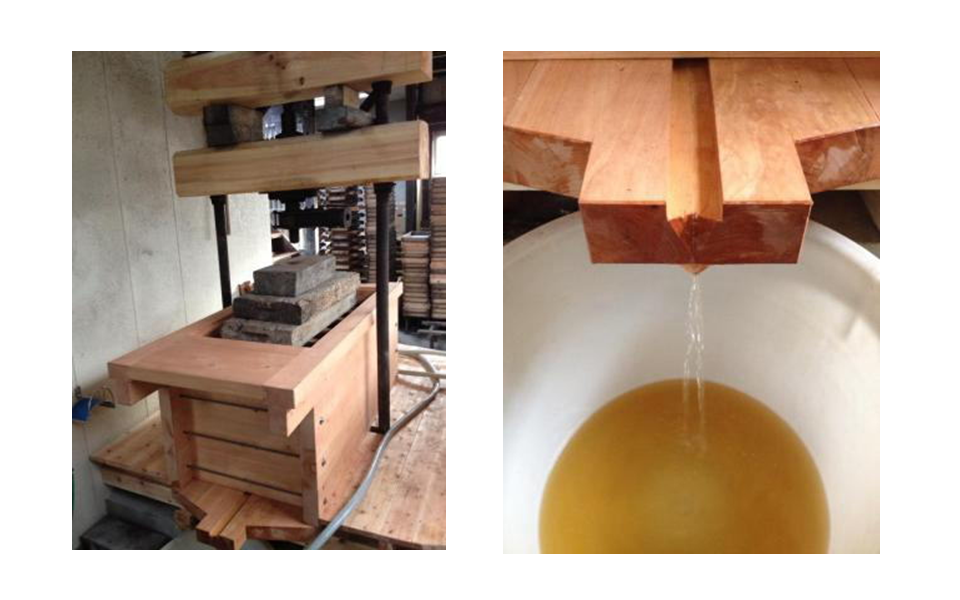
After fermentation, the vinegar is pressed using cloth bags and then aged for a certain period.
Aging mellows the flavor and refines the aroma.
Step 5: Filtration & Finishing
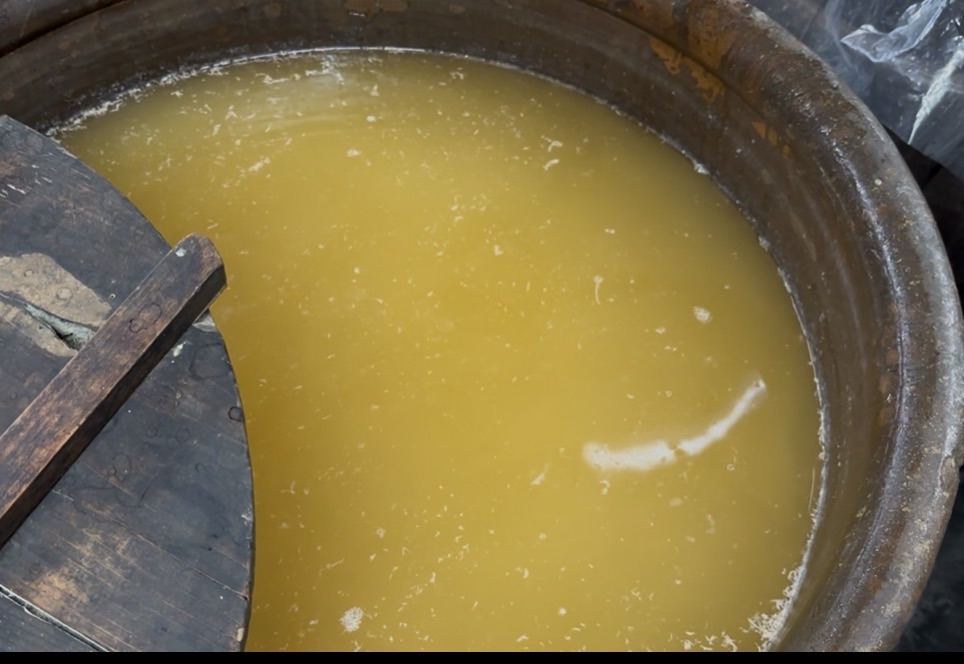
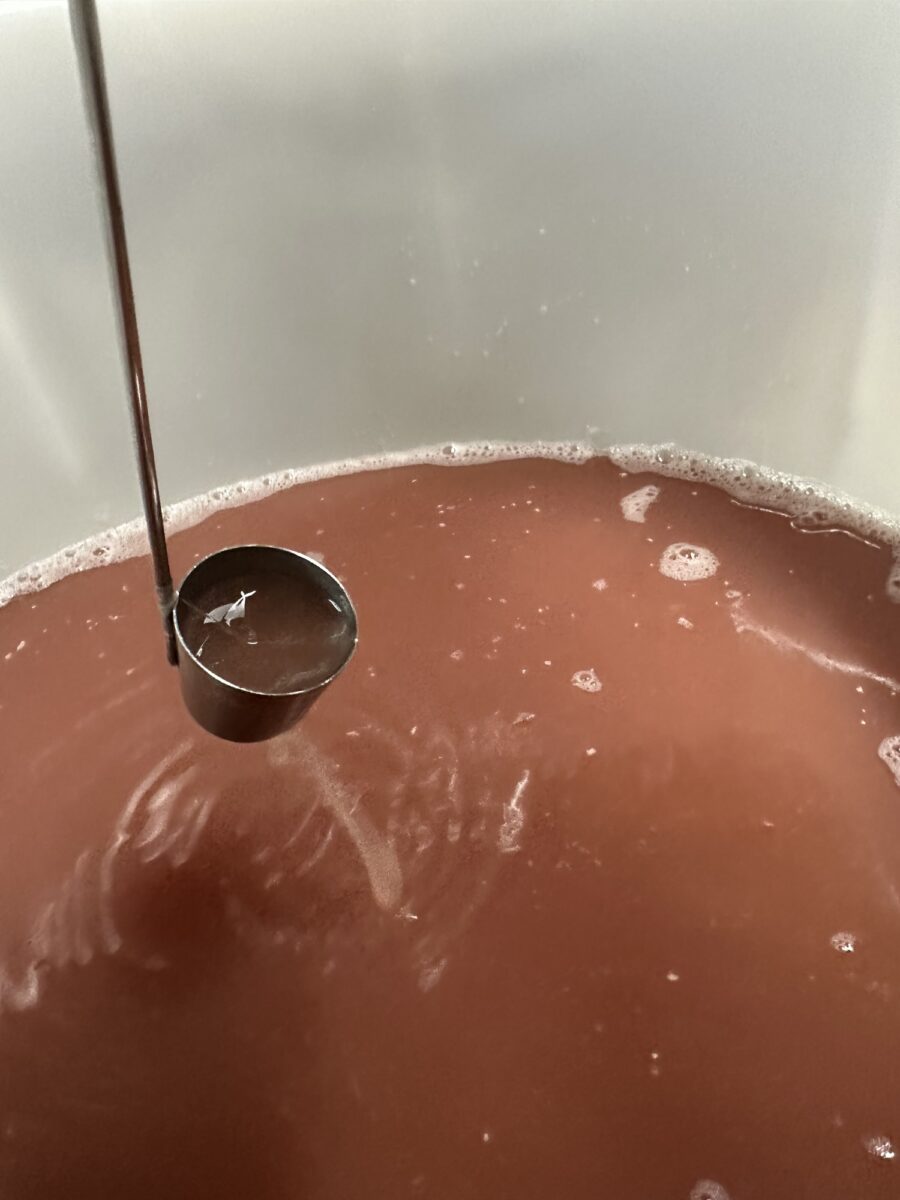
Finally, the vinegar is filtered to remove impurities. Unfiltered vinegar remains cloudy.
If necessary, heat sterilization is applied to stabilize quality.
After that, the vinegar is bottled and ready for use.
Traditional Method
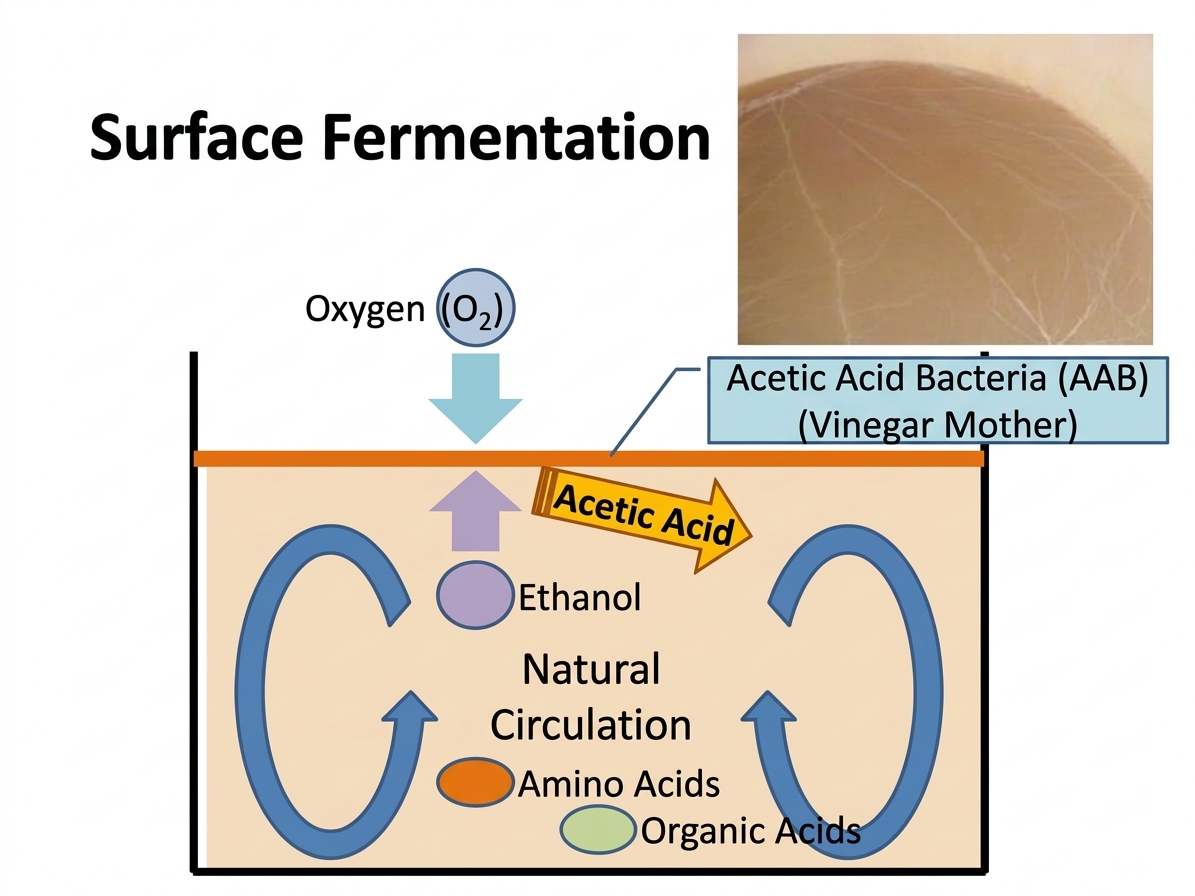
The traditional method uses surface fermentation.
Fermentation progresses slowly on the surface, typically taking 1 to 3 months.
This slow process creates deep and complex flavors.
Modern Method
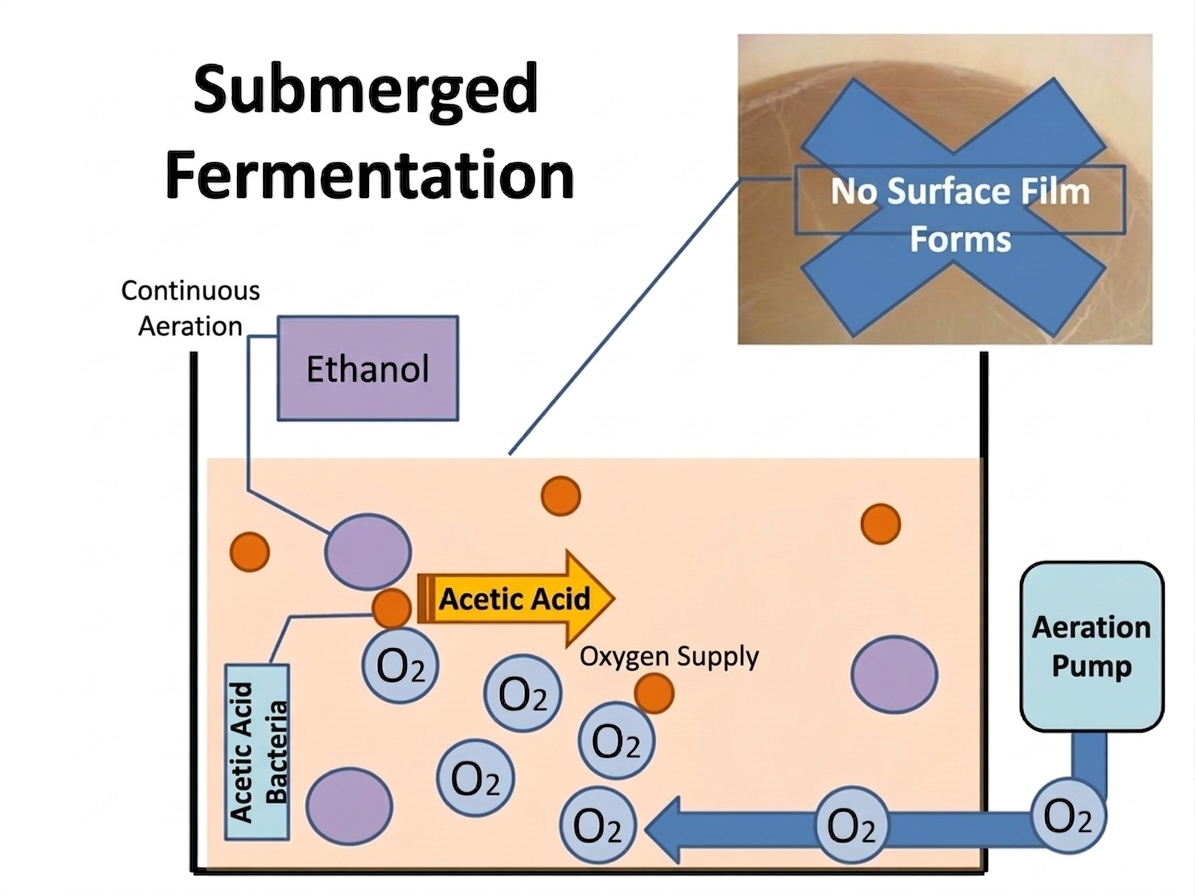
Modern methods use continuous aeration during fermentation.
With this approach, vinegar can be produced in just a few days to a week.
This method is suitable for large-scale production.
Summary
Vinegar is made by fermenting alcohol.
Although the process is simple, careful control of temperature and oxygen is essential.
These layers of fermentation ultimately determine the flavor and aroma of the vinegar.

