
Preserving Traditional Methods
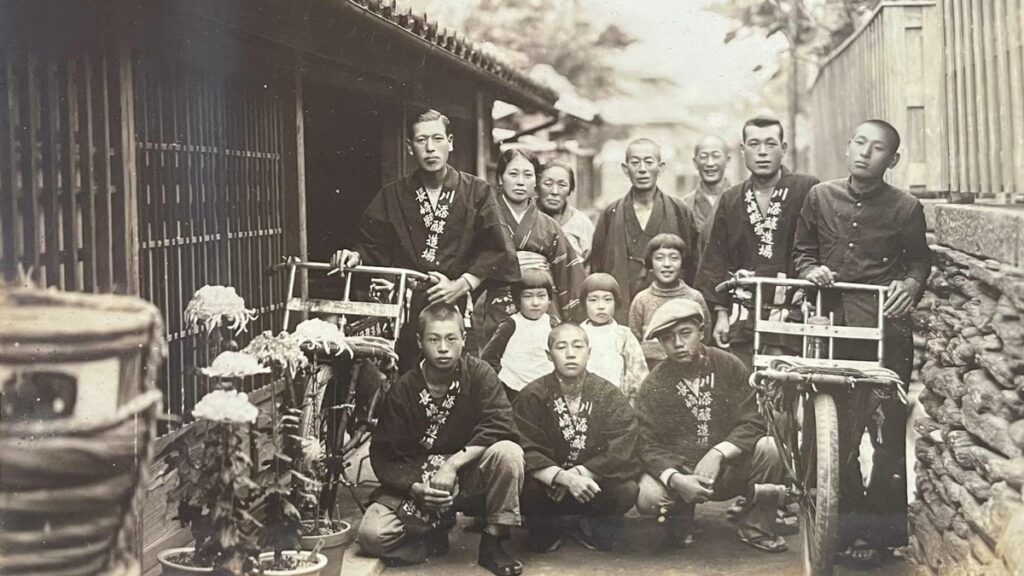
Founded in 1900, we craft vinegar, koji, and miso using high-quality water, carefully selected ingredients, and time-honored methods.
Even among vinegar producers, only a small number of breweries make sake from rice koji and then ferment it into vinegar.
Although we are a small operation, we continue to preserve traditional fermentation techniques that are gradually disappearing.
Fermentation is a vital part of Japanese food culture, where microorganisms transform ingredients and deepen their flavors.
Here, we introduce how we make koji and vinegar.
How Koji is Made
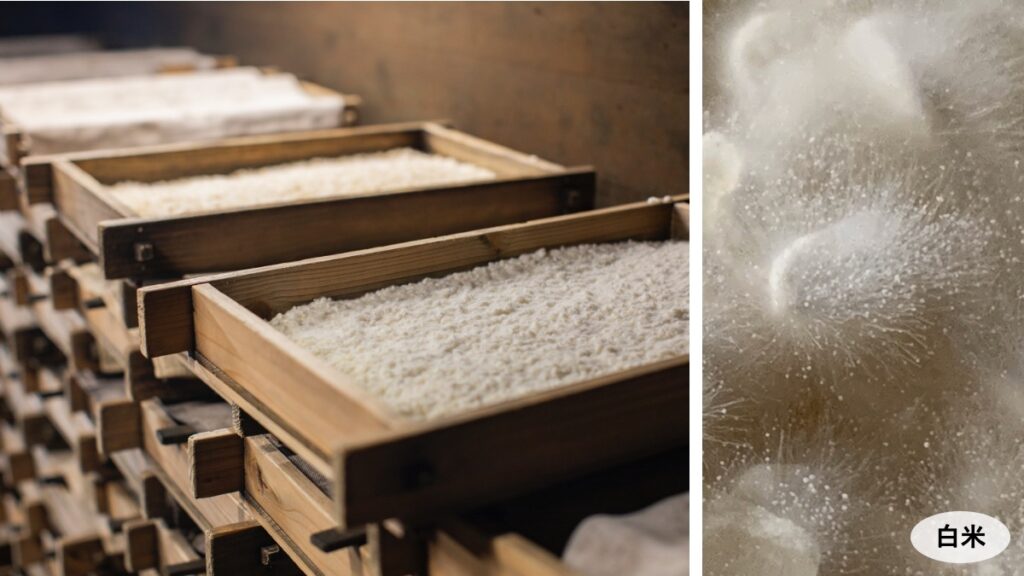
Koji is the foundation of Japanese fermentation.
Many foods such as miso, amazake, soy sauce, and sake are created through the action of koji.
We use a traditional method called morobuta-style koji making, carefully cultivating koji from rice.
The resulting koji is strong and rich in enzymes.
How Vinegar is Made
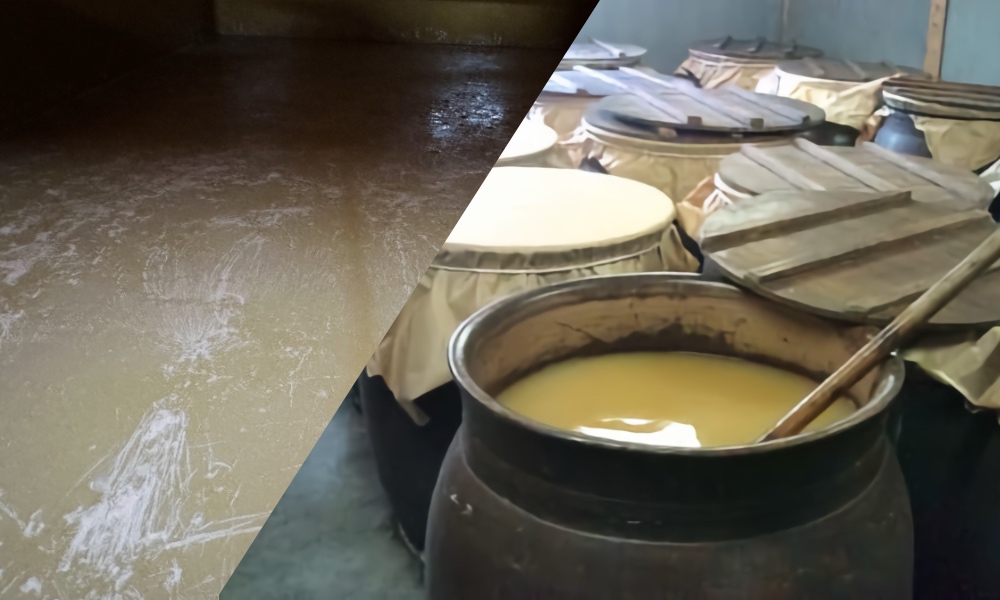
Vinegar is made when acetic acid bacteria ferment alcohol.
Rice does not contain glucose, so it must first be broken down by koji.
Then yeast produces alcohol, followed by acetic acid fermentation.
Using a traditional surface fermentation method, the process takes time and develops rich flavor and aroma.

